
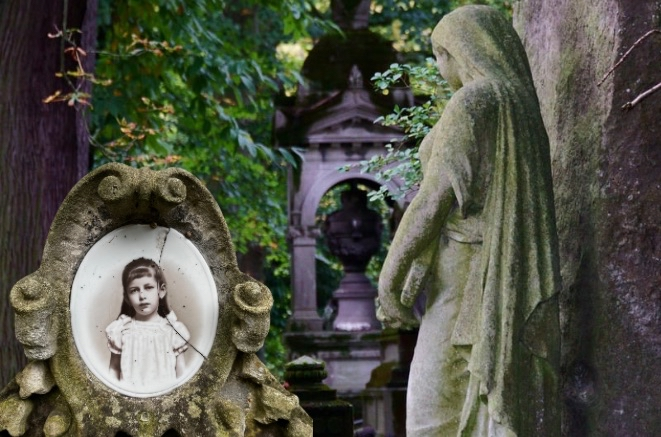
At first glance, cemeteries seem like places of silence and finality. But for genealogists, this is where the story begins. Necropolises are silent witnesses to the fate of families. Among the gravestones, you can find clues that may help you in your search for your ancestors.
Online cemeteries
In the age of digital archives and genealogy websites, we must not forget to visit the cemetery. Sometimes, the name or date engraved on the gravestone next to yours may be the key to further research. Today, you don’t even have to leave your home to visit the grave of a loved one. With just a few clicks, you can light a virtual candle, see a photo of the gravestone, or read the birth and death dates of your ancestors. While for some this is just a sign of the times, for genealogists it is a real revolution in discovering family history.
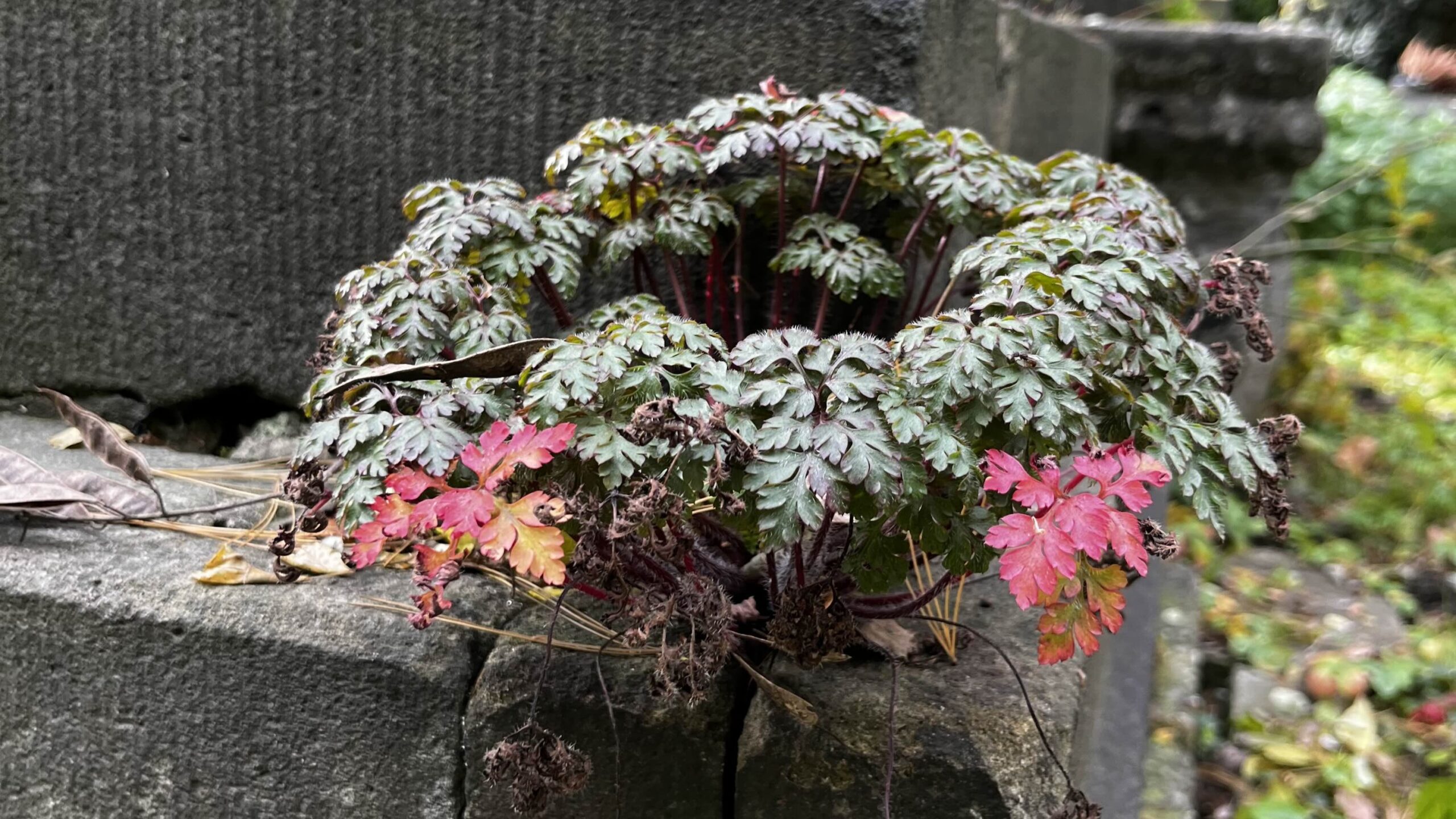
In the age of digital archives and genealogy websites, we must not forget to visit cemeteries. Sometimes, the name or date engraved on a gravestone proves to be the key to further research.
Cemeteries in genealogical research
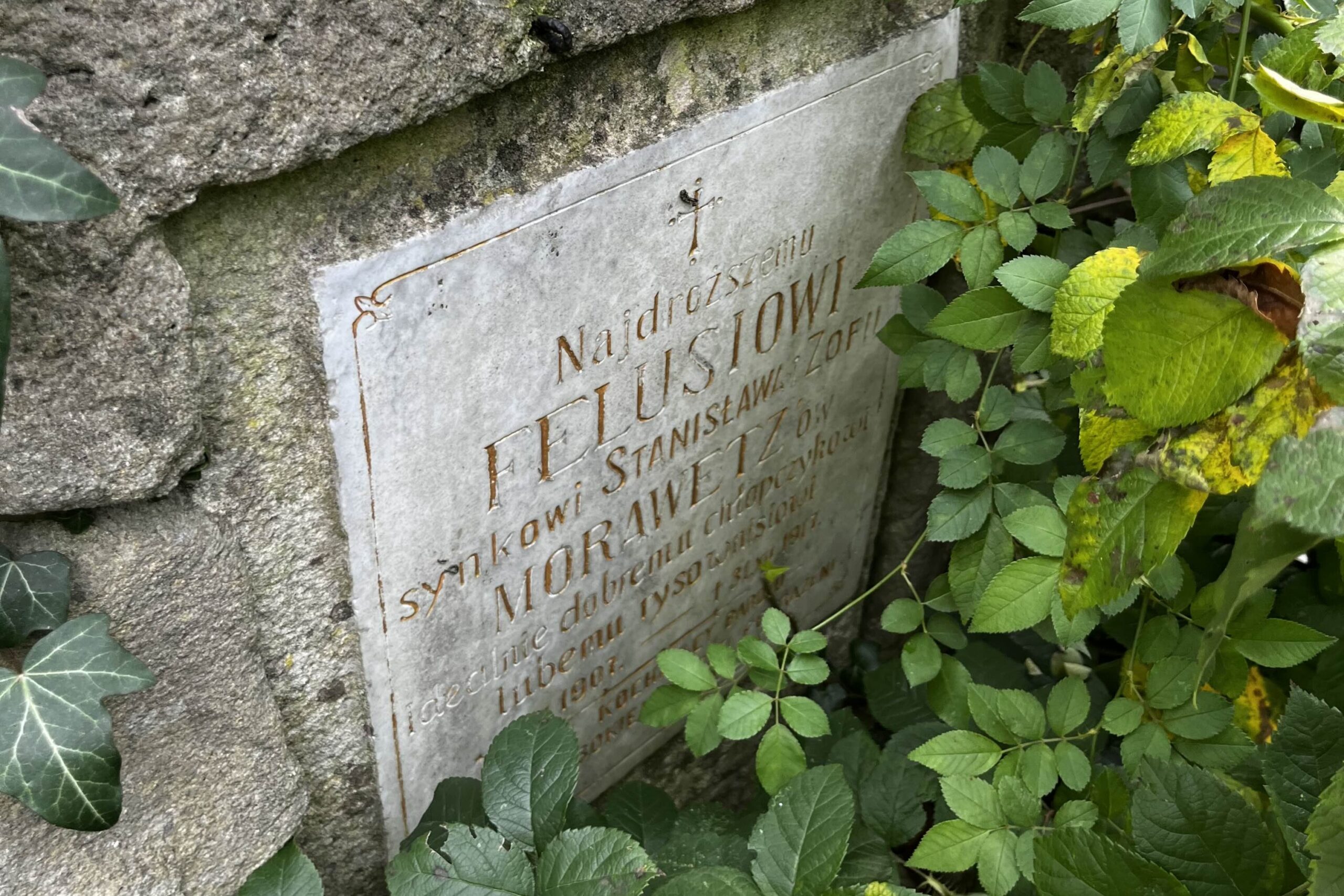
In genealogical research, data from cemeteries is one of the most valuable sources. Gravestones often provide birth and death dates (however, we must bear in mind that gravestones are not immune to errors!). You can also often find women’s maiden names, professional titles, military ranks, inscriptions, and even family crests. It is thanks to such details that family history researchers can learn more. For family history researchers, it is not only the name on the plaque that is important, but also the location of the grave. Cemeteries often reflect social ties – families buried together in one plot may indicate kinship, affinity, but also a bond. On the other hand, solitary graves on the outskirts of cemeteries often hide dramatic stories – of people who took their own lives, victims of epidemics, or soldiers without families.
Symbols, epitaphs, signs – the language of stone
Necropolises are also a kind of encyclopedia of symbols. Angels, anchors, palm branches, and broken columns all have their meanings – they tell us about the faith, profession, character, and hopes of those who have passed away. For genealogists, they are a source not only of facts, but also of emotions: epitaphs, full of archaic phrases, show how people used to think about death and family. Many a sentence from a stone tablet can tell a story that cannot be found in any registry.
Cemeteries as a bridge between generations
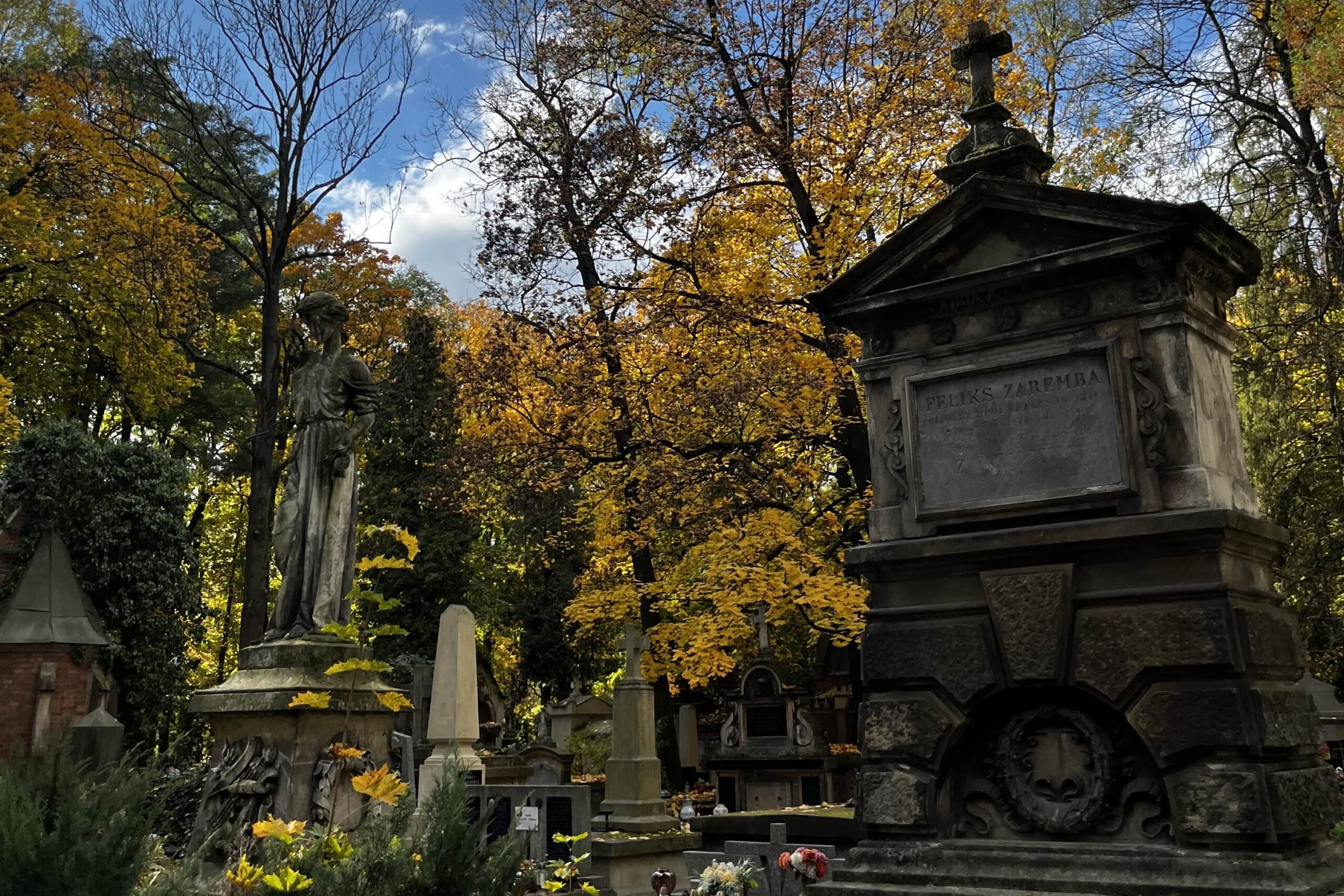
In genealogy, it is important not only to discover names, but also to preserve memory. Visits to the cemetery connect generations – grandparents, parents, grandchildren – in a shared gesture of caring for the past. Photographing gravestones and recording their contents is now a fundamental part of genealogical research. More and more people are creating private photo databases, which later become part of larger projects such as Grobonet, BillionGraves, Find a Grave, or local cemetery archives. Such activities are invaluable because cemeteries – although they seem eternal – are disappearing. Plaques crumble, names on them fade, and burial sites are being liquidated. Thanks to digital records, the memory of past generations can survive much longer than stone.
The contemporary dimension of genealogy of memory
Cemeteries teach humility towards history. They show that behind every name there is a human destiny, and that genealogy is not just a series of lines and dates, but a living story about a family. That is why family researchers increasingly treat a visit to a cemetery as a ritual of discovery – an encounter with a past that still has something to say. Every visit to a cemetery is a dialogue with those who came before us.
![Pre-war Polish countryside in archival photographs [GALLERY]](https://yrip.brkts.com/wp-content/uploads/2026/02/Miniaturka_polska_wies-1-1.png)