
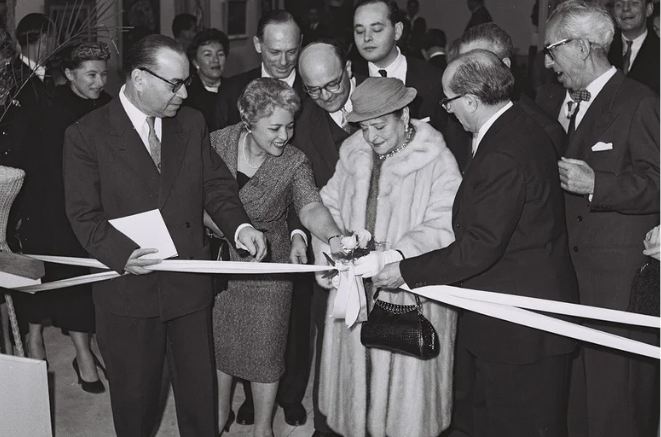
There are no ugly women, only lazy ones, said Helena Rubinstein. The cosmetics queen came from Krakow. Learn more about this extraordinary woman and her contribution to the world of beauty.
Who was Madame Rubinstein?
Helena Rubenstein was born on December 25, 1872, into a Jewish family in Podgórze (now part of Kraków, formerly an independent town) as Chaja Rubinstein. She had seven sisters.
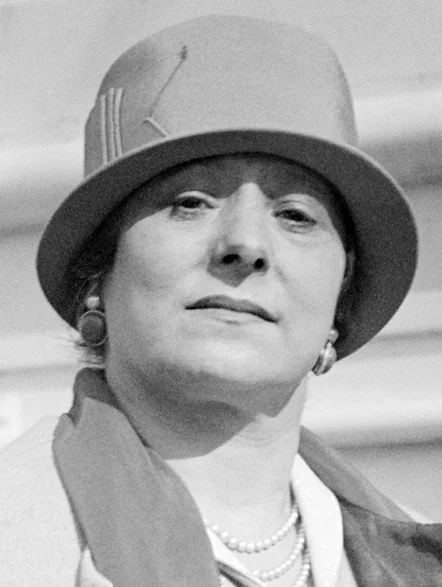
Her family wanted to marry her off quickly. She then fled to her aunt Helena in Vienna. There, she began working in her family’s fur shop. She learned that luxury comes at a high price. In 1896, with the help of her mother’s family, she moved to Australia. She then changed her name, signing herself not as Chaja, but as Helena Juliet Rubinstein. She worked in her uncle Bernard’s shop and also looked after her cousin’s child.
Helena noticed that Australian women had dry and dehydrated skin. She then began selling Valaze cream. It was supposed to be made according to her mother’s recipe, who used it to care for her daughters’ beauty and thus guarantee them a good marriage in the future. The advertising slogan was: “This is a cream that removes wrinkles, freckles, and lichen, giving the face delicacy and transparency.”
The road to global success
In 1903, she opened her first store and beauty salon in Melbourne. It was called “Helena Rubinstein – Beauty Salon.” This was the beginning of her cosmetics empire. She then set out to conquer Europe. By the start of World War I, she already had two salons in Paris and London. In 1915, she opened up a new market with a branch in New York. She worked tirelessly to improve her business.
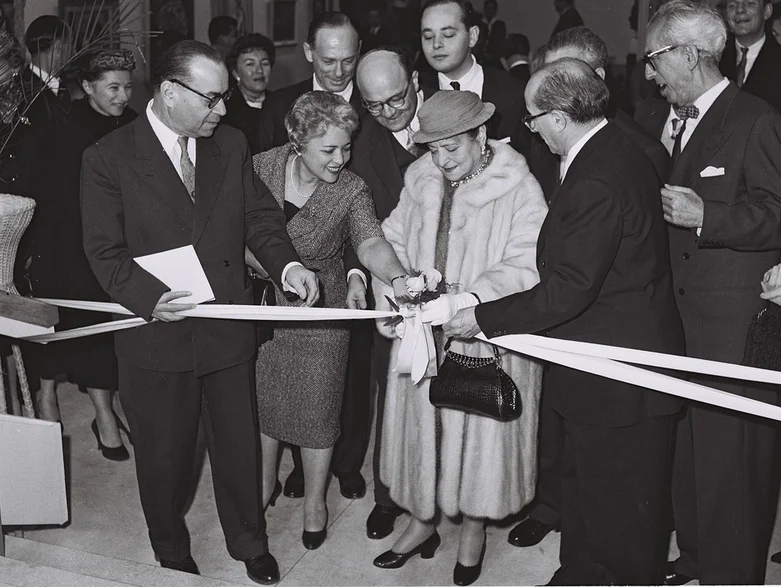
The Cream Queen
She often said:
“There are no ugly women, only lazy ones.”
“I’m not interested in creating beauty; I want to give women the tools to create it themselves.”
“Give a woman the right lipstick, and she will conquer the world.”
Helena introduced sunscreen, anti-wrinkle, and vitamin creams to the market. She is responsible for the mascara we know today. Her products were loved, and the Rubinstein cosmetics craze took over the world. Department stores demanded her cosmetics. Madame trained her salespeople on how to advise customers on skin care. She organized a “Beauty Day” in her salons, which brought her even more publicity. She understood the value of advertising and took full advantage of it to grow her business.
Madame dressed in clothes by famous designers, valued good looks, collected works of art, and befriended famous people. She hated small talk. She was family-oriented and thrifty.
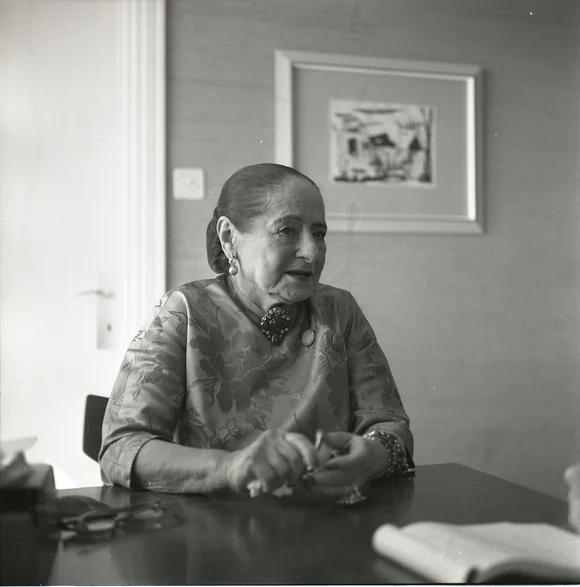
She died in 1965 in New York City. She was buried at Mount Olivet Cemetery. At the time of her death, she was one of the wealthiest women of her time, having achieved success through her own work. Her cosmetics empire was valued at approximately $100 million.
Sources:
- Dzień Dobry TVN, dziendobry.tvn.pl, [access: 15.03.2024].
- Jewish Virtual Library, jewishvirtuallibrary.pl, [access: 15.03.2024].
- Miasta Kraków, krakow.pl, [access: 14.03.2024].
- Muzeum Getta Warszawskiego, 1943.pl, [access: 14.03.2024].
- Muzeum Historii Żydów Polskich POLIN, szetl.org.pl, [access: 16.03.2024].
- Muzeum Żydowskie Galicja, galiciajewishmuseum.org, [access: 14.03.2024].
![Pre-war Polish countryside in archival photographs [GALLERY]](https://yrip.brkts.com/wp-content/uploads/2026/02/Miniaturka_polska_wies-1-1.png)