
Kraków, a city with centuries of history, hides traces of one of the oldest Jewish communities in Poland in its streets. From the historic synagogues of Kazimierz, through picturesque cemeteries, to tenement houses that were once bustling with life. This is a journey through places that remind us of the rich and often tragic history of Kraków’s Jews. Discover Kazimierz district in Kraków.
First mentions
The first mentions of a Jewish district in Kraków date back to the end of the 13th century, specifically to 1304. It was located where St. Anne’s Street is today, in the vicinity of Kraków’s Planty Park, the Main Market Square, and the Jagiellonian Library.
Kraków’s Kazimierz
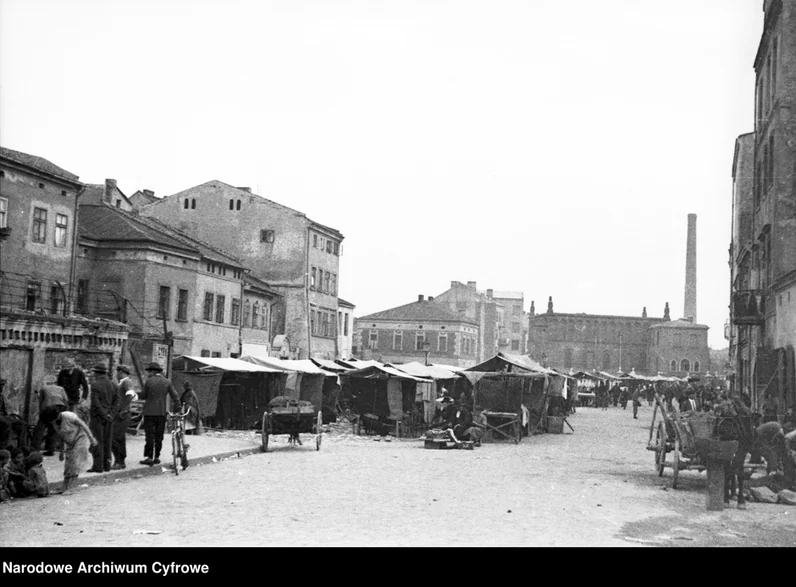
In February 1335, King Casimir III the Great granted Kazimierz a charter, and from that moment on, it functioned as a town. Originally, it was a marshy river island. The Jewish quarter existed there since 1495. At that time, Jan Olbracht ordered that Jews living in Kraków be resettled there for political and economic reasons.
Synagogues
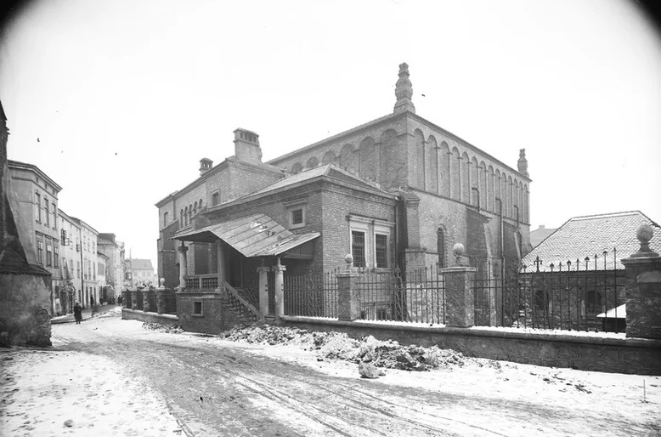
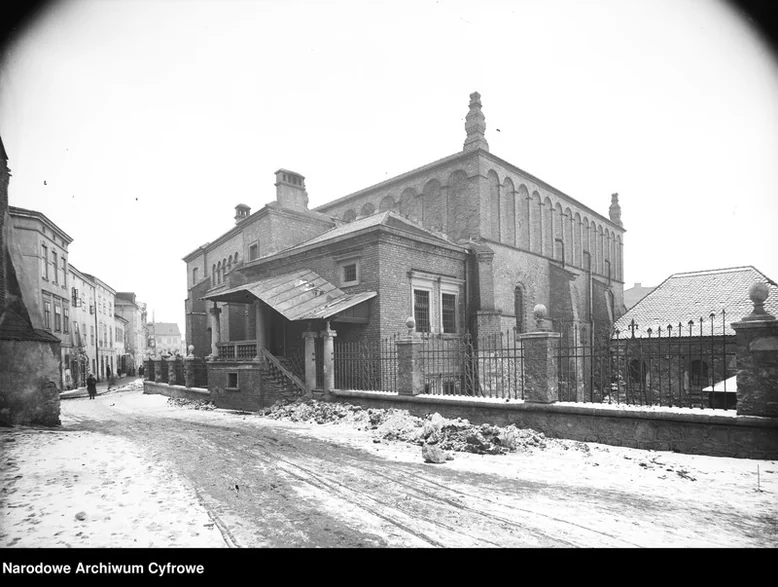
Nowadays, few synagogues are still active. In Kraków, these include: the Tempel (Progressive) Synagogue, where Jewish holidays and other important celebrations are held, and the Remu Synagogue, where daily services called Shacharit take place. One of the oldest in Poland is the Stara Synagogue, located in Kazimierz. It is believed to have been built at the turn of the 15th and 16th centuries. Currently, it houses one of the branches of the Historical Museum of the City of Kraków. Another interesting stop is the Popper Synagogue, also known as the Bożnica or Synagogue of the Stork, named after its founder, Wolf Popper (Bocian). It currently houses a branch of the Austeria bookstore, which specializes in publications on Jewish culture.
Cemeteries
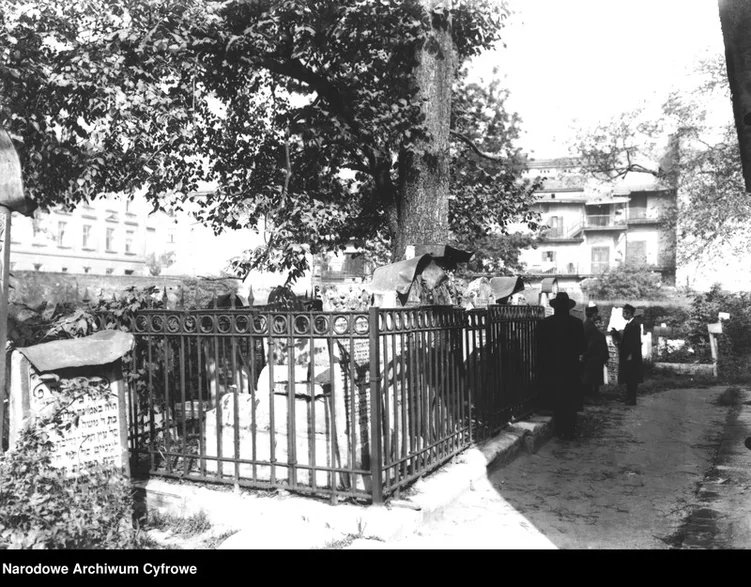
Next to the aforementioned Remu Synagogue is one of the oldest Jewish cemeteries in Europe. It was established in 1535. It was here that Remu, or rather Mojżesz Isserles (the most prominent rabbi in Kraków), was buried. Another cemetery, located a little further than the Kazimierz district, is the New Jewish Cemetery, established in 1800. It is located at 55 Miodowa Street, in Grzegórzki. Its grounds include a pre-burial hall and about 10,000 tombstones, the oldest of which dates back to 1809. There are also many plaques commemorating Jews killed during World War II. Among those buried here are Kraków rabbis, such as Szymon Schreiber. An interesting Jewish tradition is leaving notes on graves — Kwitełech, on which Hasidic Jews address requests to deceased tzadikim or well-known rabbis, asking them for intercession. In addition, Jews leave pebbles on graves — a symbol of the old days when Jews lived in desert areas.
Summary
When visiting these places in Kraków, you can feel the unique atmosphere and see where one of the oldest Jewish communities in Poland thrived for centuries. It is not only a history lesson, but also a living testimony to culture, spirituality, and memory. Visiting these places allows you to better understand both the history of Kraków and the fate of the Jewish community. Do you have Jewish roots, or perhaps you would like to discover them?
![Pre-war Polish countryside in archival photographs [GALLERY]](https://yrip.brkts.com/wp-content/uploads/2026/02/Miniaturka_polska_wies-1-1.png)